Underground Fuel Tank Cleaning Services
Underground Fuel Tank Cleaning Services
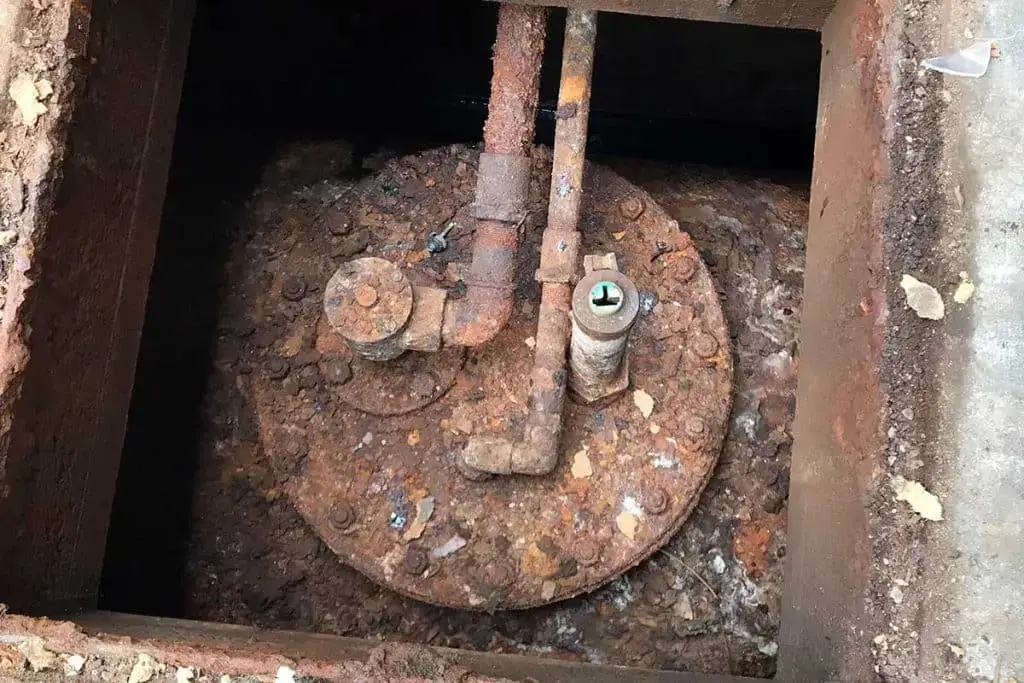
Underground fuel tank cleaning helps remove sludge, sediment and contamination that can affect fuel quality, tank performance and ongoing site safety.
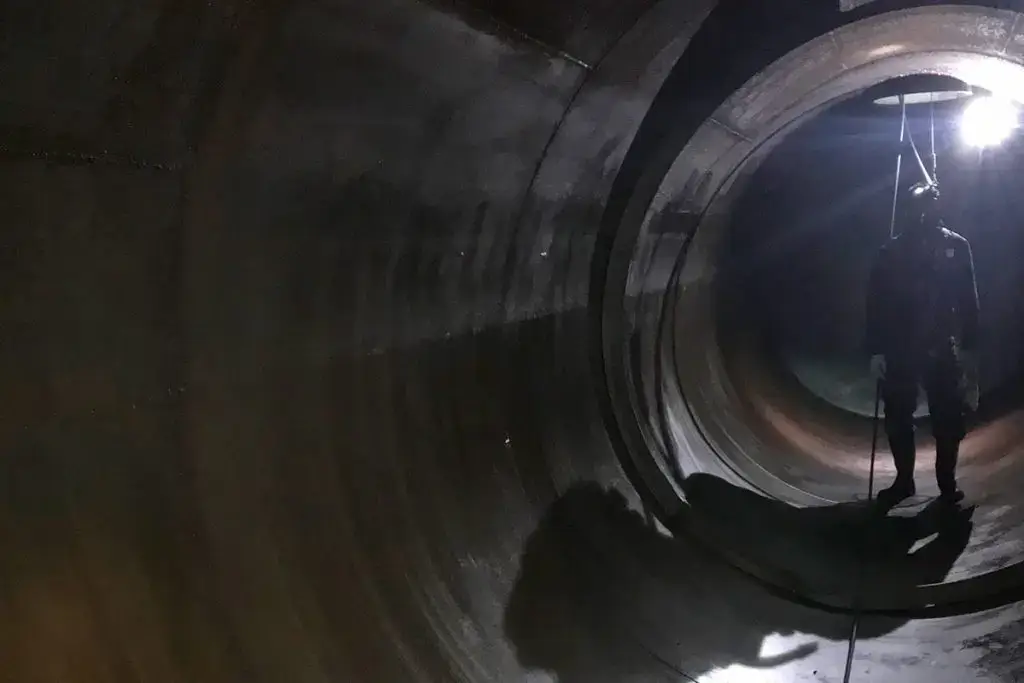
At J W Hinchliffe Tanks, we provide underground fuel tank cleaning services across the UK using our in-house team. We clean underground petrol and diesel tanks, support sites with contamination issues and help prepare tanks for recommissioning or disposal.
In many cases, underground tank cleaning is needed to resolve contamination, improve stored fuel condition or prepare a tank for the next stage of work. Whatever the reason, the cleaning process should be planned carefully so the tank can be handled safely and efficiently.
Need a quote for underground fuel tank cleaning?
Call 0113 263 5163, email [email protected], or send over the tank size, fuel type, estimated contents and site photos so we can advise on the next steps.
Underground Tank Cleaning at a Glance
- Underground fuel tank cleaning across the UK
- In-house engineers with site-specific safe systems of work
- Cleaning for underground petrol and diesel tanks
- Sludge, sediment and contamination removal
- Tank preparation for recommissioning or disposal
- Fuel polishing support where required
- Liaison with local petroleum licensing authorities, where applicable
- Gas-free certification and supporting documentation, where required
Why Choose J W Hinchliffe for Underground Tank Cleaning?
Businesses choose J W Hinchliffe Tanks because we provide a practical, safety-led service tailored to the tank, the fuel type and the site.
In-house team with no subcontracted tank cleaning
Nationwide commercial service
Separate safe systems for underground petrol and diesel tanks
Support with authority notifications where required
Direct contact with experienced engineers throughout the project
Customer Testimonials
See what customers say about working with J W Hinchliffe Tanks. Read our Google reviews for recent feedback on our commercial tank services.
Our Underground Tank Cleaning Process
Although every site is different, underground fuel tank cleaning usually follows a clear process.
Initial Enquiry and Review
First, we assess the tank type, fuel stored, tank size, access and the reason for cleaning. This helps us understand the safest and most suitable approach.
Site Details and Safe System of Work
Next, we review tank details, photos and any access limitations. A tailored safe system of work is then prepared for the specific project.
Authority Liaison Where Required
Where petrol tanks are involved, the team can liaise with the local petroleum licensing authority and submit the relevant health and safety documentation for approval.
Tank Opening, Emptying and Cleaning
The tank is opened, emptied and cleaned using the appropriate method for the fuel type and access conditions.
Fuel Handling and Fuel Polishing
Where possible, existing fuel can be managed during the cleaning process and, if needed, reintroduced through fuel polishing equipment once the tank is clean.
Documentation and Next Steps
After cleaning, supporting documentation can be provided where required. This may include gas-free certification, service records and any agreed notes for recommissioning or disposal.
What We Need to Quote
To quote for underground fuel tank cleaning, we usually only need a few key details.
In many cases, photos and basic tank information are enough for an initial assessment.
- The number of tanks and their size or capacity
- The estimated quantity of fuel or oil present
- Whether fuel polishing may be required
- The current or last grade of fuel or oil stored
- Photos of the tank and access points where available
- The site location
Compliance and Environmental Responsibility
Underground tank cleaning projects must be planned around site safety, environmental risk and HSE DSEAR guidance where applicable, along with any relevant authority requirements.
J W Hinchliffe Tanks carries out this work with a strong focus on environmental responsibility and compliance.
In addition, site-specific safe systems of work should always reflect the tank contents, the access arrangements and whether the tank has stored petrol or diesel.
Underground Fuel Tank Cleaning FAQs
Tank cleaning does not always mean losing the usable fuel in the tank. Where possible, existing fuel can be managed during the cleaning process and reintroduced once the tank is clean, either directly or through fuel polishing equipment if required.
Underground petrol tank cleaning is managed under strict safety controls. Non-sparking tools, exclusion zones, confined space entry procedures and continuous atmospheric monitoring are all used to reduce risk.
The time needed depends on the tank size, access and site conditions. With good access, a typical underground tank cleaning job can often be completed within a day, while more difficult access may require a different plan.
Underground tank cleaning helps maintain fuel quality, reduce contamination and protect equipment performance. It can also support safe recommissioning or the next stage of work on the tank.
Cleaning frequency depends on the tank size, usage and storage conditions. Rather than relying on a fixed timetable alone, it is usually better to assess the tank condition, fuel quality and any signs of contamination before deciding when cleaning is needed.
Common signs include poor fuel quality, increased filter clogs, unusual odours and visible sediment or contamination. In many cases, these point to sludge, water ingress or other issues inside the tank.
Yes, underground fuel tank cleaning is safe when it is planned and carried out correctly. Proper ventilation, confined space controls, suitable equipment and a site-specific safe system of work are all essential.
Yes, underground tank cleaning can be provided for both petrol and diesel tanks. However, each type of tank requires its own safe work system and cleaning approach.
Compliance note
These FAQs provide general UK guidance. However, exact requirements can vary depending on tank type, fuel stored, access arrangements and site conditions. Project-specific advice should always be confirmed before work begins.

Nationwide Commercial Tank Services
From Scotland to Cornwall, JWH Tanks delivers top-tier commercial tank services throughout all areas of the UK. Our commitment to nationwide coverage ensures that businesses everywhere can access our expertise. Our coverage includes:
FUEL TANK CLEANING SERVICES
J W Hinchliffe Tanks provides commercial tank services across the UK, including underground tank cleaning, tank removal, decommissioning and related support services.
If you need advice on underground fuel tank cleaning or the most suitable next steps for your site, contact the team with the tank details and location.
Our Accreditations