Tank Integrity Testing Service
Optimal Performance with Tank Integrity Testing
Tank integrity testing helps assess whether a fuel or oil tank remains sound, serviceable and safe for continued use.
At J W Hinchliffe Tanks, we provide tank integrity testing services for commercial fuel and oil storage systems across the UK. Integrity testing can help identify faults, confirm whether a tank is still fit for service and support informed decisions on repair, maintenance or replacement.
In many cases, integrity testing is used where there are concerns about possible leaks, product loss or the general condition of the tank. As a result, it can be a practical way to reduce risk and clarify what action may be needed next.
Need advice on tank integrity testing? We can advise on the most suitable next steps for your site.
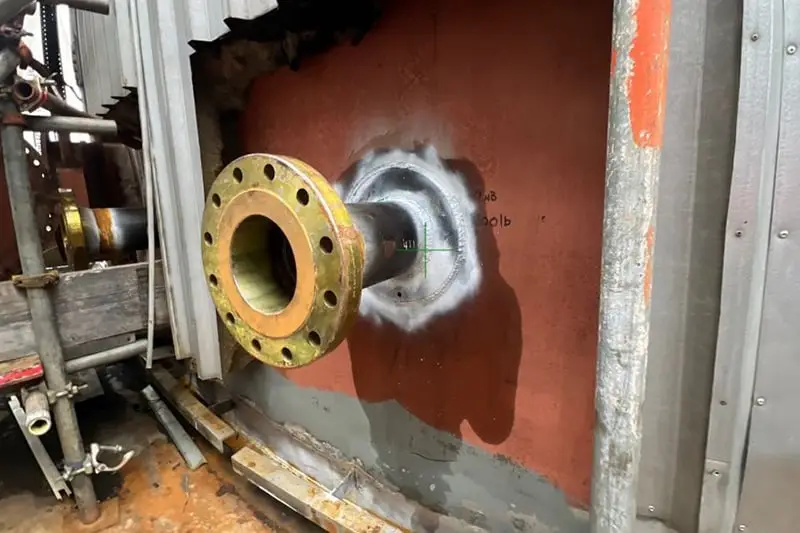
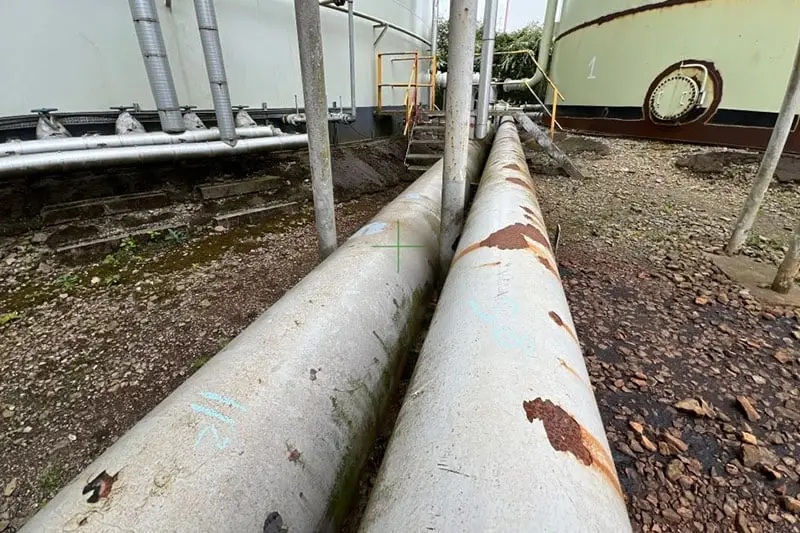
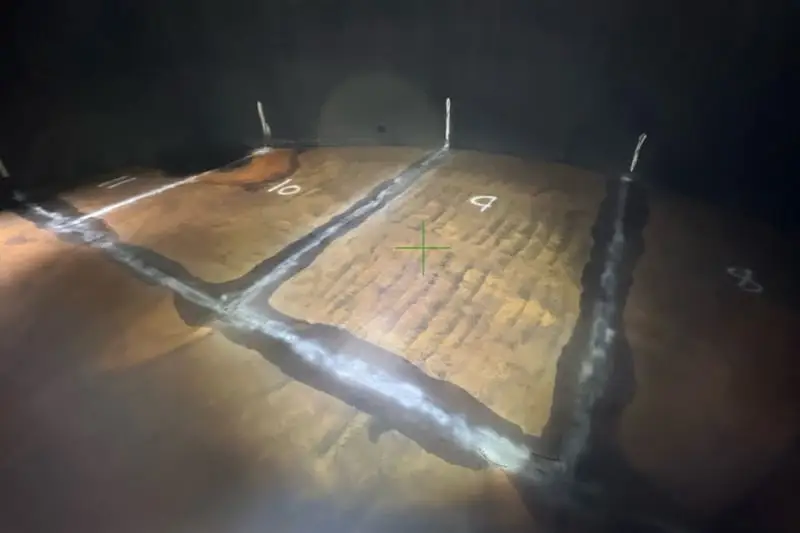
Tank Integrity Testing at a Glance
- Tank integrity testing for commercial fuel and oil storage systems
- Support for condition assessment and fault diagnosis
- Leak detection and integrity checks where appropriate
- Practical reporting on tank condition and next steps
- Suitable for above-ground and underground tank systems
- Experienced commercial tank specialists
- Clear findings and follow-up recommendations
- Nationwide service across the UK
Why Choose J W Hinchliffe for Tank Integrity Testing?
Businesses choose J W Hinchliffe Tanks because we provide a practical, safety-led testing service designed around the tank, the site and the concerns being investigated.
More than 50 years of tank industry experience
Clear and practical reporting
Support for condition assessment and maintenance planning
Testing tailored to the tank system and site conditions
Nationwide commercial tank support
Advice on remedial action where needed
Customer Testimonials
See what customers say about working with J W Hinchliffe Tanks. Read our Google reviews for recent feedback on our commercial tank services.
Our Tank Integrity Testing Process
Although every site is different, tank integrity testing usually follows a clear process.
Initial Review
First, the key details about the tank, the site and the suspected issue are gathered. This helps determine the most appropriate approach to integrity testing.
Site Assessment
Next, the tank system and surrounding conditions are reviewed. This helps confirm access, safety requirements and the likely scope of the testing.
Integrity Testing
The tank is then assessed using the most suitable method for the system and the issue being investigated. Depending on the project, this may include leak detection, pressure checks or other condition-based testing.
Findings and Reporting
Once testing is complete, the results are reviewed and set out clearly. Where needed, the findings can help confirm whether the tank remains serviceable or whether further action is likely to be required.
Next Steps
If faults or risks are identified, practical advice can be given on repair, monitoring, further inspection or replacement. In addition, a quotation for follow-on work can be provided where appropriate.
What Tank Integrity Testing Can Reveal
Tank integrity testing can help identify issues that may not be obvious from a visual check alone.
For example, integrity testing may help reveal:
- suspected leaks or pressure loss
- faults affecting tank soundness
- issues that could affect safe continued use
- the need for further inspection or repair
- whether replacement should be considered instead
Therefore, tank integrity testing can be especially useful where there are concerns about tank condition, unexplained product loss or early signs of system failure.
What We Need to Quote
To quote for tank integrity testing, we usually only need a few key details.
In many cases, basic tank information is enough for an initial assessment.
- Tank size or capacity
- Whether the tank is above or below ground
- The product stored
- The site location
- Any suspected fault or reason for testing
- Photos of the tank and surrounding area where available
- Whether the testing is routine or linked to a known issue
Compliance and Reporting
Tank integrity testing should be planned around safe working requirements, the tank contents and the most suitable testing method for the site.
Clear reporting helps site operators understand the findings and decide what action, if any, is needed next. In addition, where flammable liquids are involved, site-specific controls should reflect relevant HSE DSEAR guidance.
Tank Integrity Testing FAQs
A tank can still have faults even if it appears fine from the outside. Integrity testing can help identify hidden leaks, condition issues or developing faults before they become more serious.
Integrity testing can be used for a range of commercial fuel and oil storage systems. The most suitable method depends on the tank type, size, contents and site conditions.
The time needed depends on the tank system, access and the type of testing required. In many cases, straightforward integrity testing can be completed within a relatively short site visit.
Integrity testing can help identify whether a leak is likely or whether tank soundness has been compromised. However, the exact findings depend on the testing method and the condition of the system.
Not always, because the preparation depends on the testing method being used. The site requirements can usually be confirmed during the initial review.
In many cases, tank integrity testing can be planned with minimal disruption. However, the level of disruption depends on the tank system, access and whether the site needs to remain fully operational during the work.
If a fault is found, the results should help guide the next step. That may involve repair, further inspection, monitoring or replacement, depending on the seriousness of the issue.
There is no single rule for every tank, because the right frequency depends on age, condition, usage and any known concerns. In many cases, integrity testing is most useful when a specific issue is suspected or when condition needs to be confirmed.
Compliance note
These FAQs provide general UK guidance. However, exact requirements can vary depending on the tank type, the product stored, the site layout and the testing method required. Project-specific advice should always be confirmed before work begins.

Nationwide Commercial Tank Services
From Scotland to Cornwall, JWH Tanks delivers top-tier commercial tank services throughout all areas of the UK. Our commitment to nationwide coverage ensures that businesses everywhere can access our expertise. Our coverage includes:
Nationwide Commercial Tank Services
J W Hinchliffe Tanks provides commercial tank services across the UK, including tank integrity testing, tank cleaning, tank removal and related support services.
If you need advice on tank integrity testing or the most suitable next steps for your site, contact the team with the tank details and location.
Our Accreditations