Technical Advice and Support
Fuel & Tank Expertise
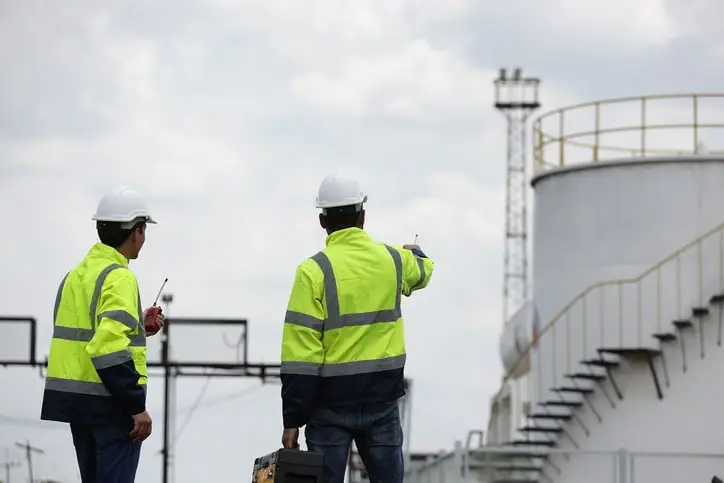
Technical advice can help businesses manage fuel systems more safely, reduce operational risk and make more informed decisions about storage, maintenance and compliance.
At J W Hinchliffe Tanks, we provide technical advice and support for commercial fuel and tank systems across the UK. This includes guidance on contamination, fuel quality, tank installations, tank cleaning, testing, inspection, decommissioning and related fuel management issues.
In many cases, technical advice is the first step towards solving a problem or planning the right course of action. As a result, it can help reduce downtime, control risk and avoid unnecessary costs.
Need technical advice for your fuel system? We can advise on the most suitable next steps for your site.
Technical Advice at a Glance
- Technical advice for commercial fuel and tank systems
- Support with contamination, testing and remedial planning
- Guidance on tank installations, cleaning and decommissioning
- Help with fuel transfers, uplifts and safe handling
- Practical advice on compliance and risk control
- Support across a wide range of commercial environments
- Clear and tailored recommendations
- Nationwide service across the UK
Why Choose J W Hinchliffe for Technical Advice?
Businesses choose J W Hinchliffe Tanks because we provide practical, experience-led advice that is tailored to the system, the site and the issue being investigated.
More than 50 years of fuel industry experience
Highly qualified engineers and technical advisors
Advice backed by wider tank services and practical delivery capability
Tailored recommendations rather than generic guidance
Strong focus on risk control, compliance and cost-effectiveness
Nationwide commercial tank support
Customer Testimonials
See what customers say about working with J W Hinchliffe Tanks. Read our Google reviews for recent feedback on our commercial tank services.
Our Technical Advisory Services
Although every enquiry is different, our technical advice usually falls into a few key areas.
Fuel Contamination
If contamination is suspected, advice can be provided on the likely causes, the risks involved and the most suitable next steps. This may include testing, remedial works or preventive measures.
Fuel Polishing and Filtration
Fuel systems can be reviewed to help identify the most practical cleaning and filtration approach. In many cases, this helps improve fuel quality and reduce the risk of equipment problems.
Fuel Transfer and Uplift
Advice can also be provided on fuel transfer or uplift projects, including safe handling, operational planning and practical cost considerations.
Tank Installations
Choosing the right tank and planning the installation correctly are both important. Therefore, guidance can be given on tank selection, installation considerations and good practice.
Tank Cleaning
Regular tank cleaning can help protect fuel quality and reduce contamination risks. Advice can be provided on cleaning schedules, suitable methods and the wider importance of tank hygiene.
Tank Testing and Inspection
Testing and inspection can help confirm tank condition and identify risks before they become more serious. Advice can be given on appropriate testing methods, inspection frequency and the likely next steps.
Tank Decommissioning
Decommissioning a fuel tank requires careful planning and safe execution. Guidance can be provided on the likely process, regulatory considerations and the most practical approach for the site.
Turnkey Support and Practical Solutions
Technical advice is most useful when it leads to a practical outcome.
J W Hinchliffe Tanks supports businesses with more than guidance alone. Advice can be backed by wider project delivery, including testing, analysis, installations, cleaning, decommissioning and related services. As a result, businesses can move from problem identification to practical resolution more efficiently.
What We Need to Quote
To provide technical advice or quote for related works, we usually only need a few key details.
In many cases, a short discussion and some basic site information are enough for an initial assessment.
- A summary of the issue or question
- Tank size or capacity
- The type of fuel stored
- Whether the tank is above or below ground
- Photos of the tank, surrounding area or affected equipment where available
- The site location
- Whether the issue is urgent or linked to an operational problem
Compliance and Risk Considerations
Technical advice for fuel systems should always take account of safety, environmental risk and the site’s operational requirements.
Clear, practical guidance can help reduce the risk of contamination, fire, leakage or downtime. In addition, where flammable fuels are involved, site-specific controls should reflect relevant HSE DSEAR guidance.
For oil storage matters, businesses should also be aware of oil storage regulations for businesses where applicable.
Technical Advice FAQs
The main considerations are capacity, containment, location, construction, environmental protection and security. In many cases, planning and permitting requirements may also need to be reviewed.
Commercial oil storage is subject to environmental controls designed to reduce pollution risk. These include spill prevention, groundwater protection, safe waste handling and reporting requirements where relevant.
Inspection frequency depends on the size, age, condition and construction of the tank. In many cases, regular visual checks should be combined with more detailed inspection or testing where needed.
Tank decommissioning requires planning, safe oil removal, tank cleaning and correct documentation. Depending on the site, notification to the relevant authority may also be required.
Good spill prevention usually includes bunding, leak detection, regular inspections, staff trainingand suitable maintenance. Spill response planning is also important.
Fuel quality is influenced by contamination, storage conditions, filtration and supplier quality. In some cases, additives or remedial services may also be appropriate.
Yes, technical advice is often most valuable at an early stage. It can help identify practical preventive actions before contamination, leakage or equipment issues become more expensive to resolve.
In many cases, initial advice can be given remotely based on the details you provide. However, more complex issues may still require a site visit or further assessment.
Compliance note
These FAQs provide general UK guidance. However, exact requirements can vary depending on the fuel type, storage system, site layout and regulatory context. Project-specific advice should always be confirmed before work begins.

Nationwide Commercial Tank Services
From Scotland to Cornwall, JWH Tanks delivers top-tier commercial tank services throughout all areas of the UK. Our commitment to nationwide coverage ensures that businesses everywhere can access our expertise. Our coverage includes:
Nationwide Commercial Tank Services
J W Hinchliffe Tanks provides commercial tank services across the UK, including technical advice, tank cleaning, tank removal, testing and related support services.
If you need technical advice for your fuel system or the most suitable next steps for your site, contact the team with the tank details and location.
Our Accreditations