
Project Overview
J W Hinchliffe Tanks was appointed by a generator maintenance company to carry out diesel tank cleaning and fuel polishing at a large data centre in the North of England.
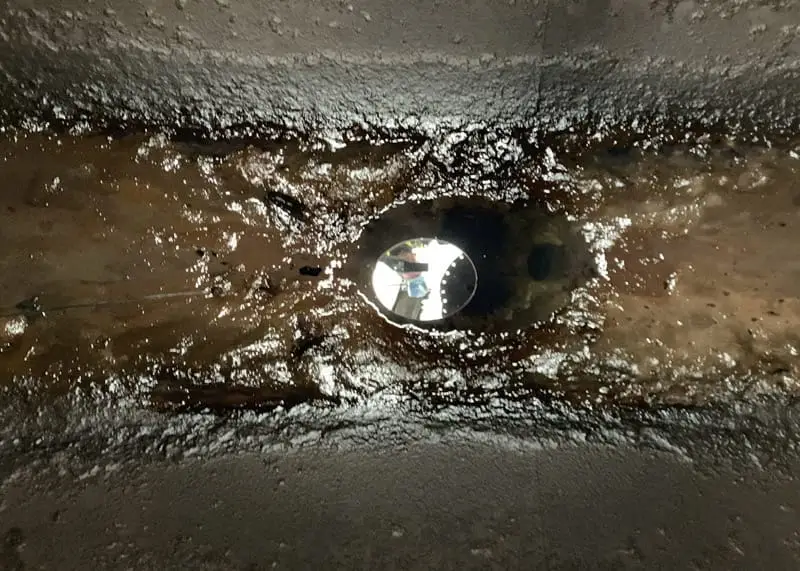
The site contained four underground diesel tanks, each with a capacity of 80,000 litres. These tanks supplied ten day tanks serving the site’s backup generators.
The generators provided critical standby power in the event of a mains electricity failure. Therefore, maintaining clean and reliable fuel was essential.
At the time of the project, the site held approximately 160,000 litres of diesel.
Project at a Glance
Sector: Data centre / critical infrastructure
Location: North of England
Underground tanks: Four
Tank capacity: 80,000 litres each
Backup generators: Ten
Fuel stock on site: Approximately 160,000 litres
Fuel age: Approximately 12–24 months
Services provided:
- diesel fuel sampling
- contamination assessment
- underground tank cleaning
- day-tank cleaning
- fuel polishing
- multi-stage filtration
- tank-to-tank fuel transfer
- continuity planning around live backup generators
The Challenge
Reliable backup power is essential at a data centre.
The underground storage tanks supplied ten day tanks positioned across the generator system. Any significant fuel-quality problem could therefore affect the reliability of the standby power supply.
Samples taken from the fuel showed elevated levels of water and solid contamination.
The fuel stock ranged from approximately 12 to 24 months old. Testing also indicated that the samples did not meet the required cleanliness levels being applied to the project.
As a result, the team recommended cleaning the tanks and polishing the retained fuel rather than simply leaving the contamination in place.
Understanding ISO 4406 Fuel Cleanliness
The project documentation referred to ISO 4406, a recognised method for coding the level of solid-particle contamination within a fluid.
In practical terms, particle-count testing helps identify how much solid contamination is present and whether further filtration may be required.
For readers who want more information, the International Organisation for Standardisation explains ISO 4406 here.
Cleaning the Underground Diesel Tanks
JWH cleaned all four underground diesel storage tanks as part of the project.
Removing contamination from the tanks themselves was important because polishing the diesel alone would not address sludge, water or deposits remaining within the storage system.
The team therefore combined physical tank cleaning with fuel treatment.
You can read more about JWH’s commercial oil and fuel tank cleaning services
Cleaning the Generator Day Tanks
The four underground tanks supplied ten smaller day tanks positioned across the generator installation.
JWH cleaned these tanks as well, helping to remove contamination from the wider fuel-storage and delivery system.
Cleaning both the bulk storage tanks and the day tanks reduced the risk of residual contamination remaining within the system after the fuel had been polished.
Fuel Polishing Between Tanks
Because of the tank capacities and site layout, JWH was able to transfer and polish the diesel from tank to tank.
This allowed the team to treat the existing fuel while progressively cleaning the storage tanks.
Each batch of fuel passed through the filtration system a minimum of twice.
The team used a combination of 5-micron and 1-micron filters to remove progressively smaller particles from the diesel.
Fuel polishing can help remove water and particulate contamination from stored fuel while allowing usable fuel to remain in service.
You can read more about JWH’s fuel polishing service
Fuel Sampling and Testing
Fuel sampling provided the evidence needed to assess the condition of the diesel before treatment.
The results identified water and particulate contamination and helped determine the work required.
Sampling is particularly useful on sites where stored fuel may remain unused for long periods before being required for emergency or standby equipment.
You can read more about JWH’s fuel sampling and testing service
Maintaining Backup Power During the Work
The data centre’s backup generators needed to remain available throughout the project.
Therefore, JWH planned the cleaning and fuel-polishing programme around the live generator system.
The team completed the work without taking all ten generators offline at the same time.
This allowed the generator maintenance company to maintain an appropriate level of service to the data centre throughout the five-day project.
The Result
JWH completed the cleaning of all four underground diesel tanks and all ten generator day tanks over five days.
The team also polished approximately 160,000 litres of stored diesel using staged 5-micron and 1-micron filtration.
The completed project included:
- cleaning four 80,000-litre underground diesel tanks
- cleaning ten generator day tanks
- sampling and assessing stored diesel
- polishing approximately 160,000 litres of fuel
- transferring fuel safely between tanks
- using staged fine filtration
- maintaining backup-generator availability throughout the work
As a result, the customer retained usable fuel while reducing the contamination present in both the diesel and the storage system.
Discuss Diesel Tank Cleaning and Fuel Polishing
J W Hinchliffe Tanks provides commercial diesel tank cleaning, fuel polishing and fuel sampling services throughout the UK.
Our team can support data centres, generator installations and other critical sites where stored fuel quality and continuity of supply are important.
You can also view our other fuel and oil tank case studies