OFTEC Inspections
Comprehensive Fuel & Oil Tank Inspections
OFTEC inspections help identify issues with oil and fuel storage systems before they lead to leaks, fire risks or costly remedial work.
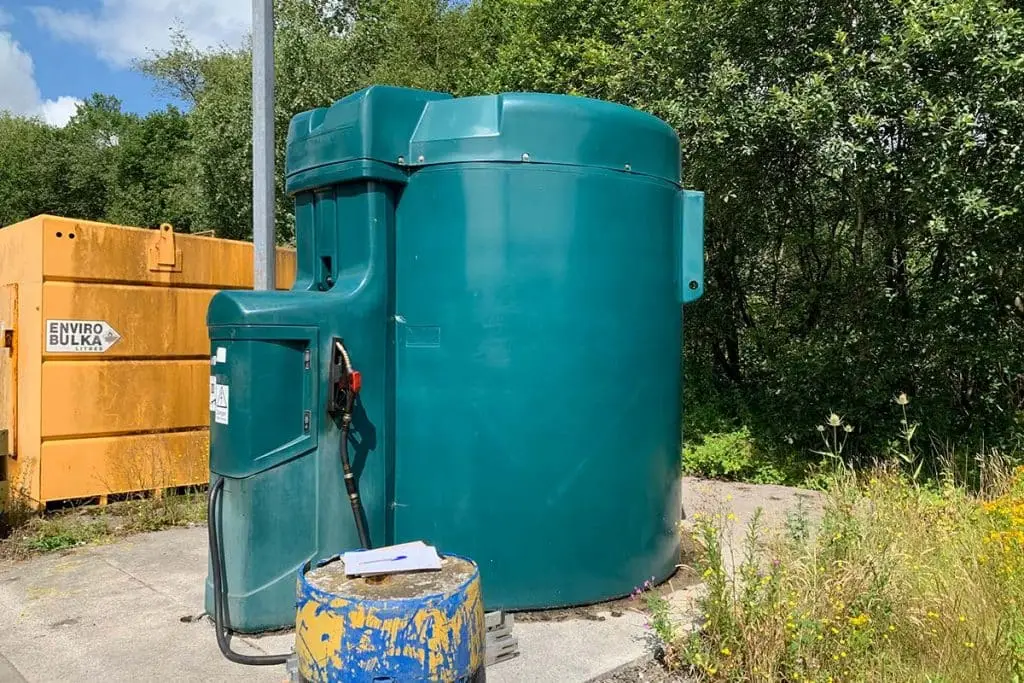
At J W Hinchliffe Tanks, we provide OFTEC inspections for commercial fuel and oil tanks across the UK. These inspections are designed to assess the condition of the tank, highlight environmental or fire risks and provide practical advice on any remedial action that may be needed.
A regular inspection can help reduce risk, support compliance and give site operators clearer information about the condition of their storage system.
Need an OFTEC inspection? We can advise on the next steps for your site.
OFTEC Inspections at a Glance
- OFTEC inspections for fuel and oil storage systems
- Fire and environmental risk assessments
- Practical reporting on tank condition and remedial needs
- Support for both commercial and domestic-type oil storage systems where appropriate
- OFTEC-registered technicians
- Advice on pollution prevention and fire risk
- Clear inspection reports and next-step recommendations
- Nationwide service across the UK
Why Choose J W Hinchliffe for an OFTEC Inspection?
Businesses choose J W Hinchliffe Tanks because we provide a practical, safety-led inspection service designed to identify risks clearly and explain what needs attention.
OFTEC-registered technicians
Clear and transparent reporting
Fire and environmental risk awareness
Practical advice on remedial action where needed
More than 50 years of tank industry experience
Nationwide support for commercial tank services
Customer Testimonials
See what customers say about working with J W Hinchliffe Tanks. Read our Google reviews for recent feedback on our commercial tank services.
Our OFTEC Inspection Process
Although every site is different, an OFTEC inspection usually follows a clear process.
Initial Review
First, the key details about the tank, the site and any known concerns are gathered. This helps identify the likely scope of the inspection.
Tank Inspection
Next, the tank and its surroundings are inspected by an OFTEC-registered technician. This includes checking the condition of the tank, its installation and the wider fire and environmental risks.
Risk Assessment
The inspection includes a review of issues that could increase the chance of fire, pollution or future failure. As a result, the site receives clearer information about any areas of concern.
Reporting
Once the inspection is complete, a report is provided setting out the findings. Where needed, this can also include recommendations for remedial work.
Next Steps
If faults or risks are identified, practical advice can be given on how to address them. In addition, a quotation for any necessary follow-on work can be provided if required.
How Often Do I Need an OFTEC Inspection?
In most cases, an annual inspection is a sensible approach for fuel and oil storage systems.
Regular checks help identify faults early, reduce the risk of leaks and give site operators a better understanding of the tank’s overall condition. If the tank is older, exposed to harsh conditions or showing signs of deterioration, more frequent attention may be appropriate.
What We Need to Quote
To quote for an OFTEC inspection, we usually only need a few key details.
In many cases, basic tank information is enough for an initial assessment.
- Tank size or capacity
- Whether the tank is above or below ground
- The fuel or oil stored
- The site location
- Any known issues or visible signs of concern
- Photos of the tank and surrounding area where available
- Whether the inspection is routine or linked to a specific concern
Compliance and Reporting
An OFTEC inspection should do more than confirm whether a tank looks acceptable at first glance. It should also identify fire, pollution and installation risks that may need further attention.
Inspection reports can help support maintenance planning, remedial work decisions and wider risk management. In addition, where fire risk needs to be considered, site-specific controls should reflect relevant HSE DSEAR guidance.
For broader consumer and technician information, the official OFTEC technician register can also be referenced.
OFTEC Inspection FAQs
A tank can still have developing issues even if it appears fine from the outside. Over time, steel tanks can corrode, plastic tanks can become brittle and poor installation can increase the risk of leaks.
An oil tank leak can lead to serious environmental and financial consequences. Cleanup, remediation and lost product can all become expensive, especially if the leak affects the surrounding ground or nearby watercourses.
No, the inspection does not commit you to having the same company carry out repairs. The inspection report should explain any issues found, and you can then decide how to proceed.
Most OFTEC inspections take around one to two hours, depending on the tank and site conditions. Larger or more complex systems may take longer.
In most cases, clear access to the tank is the main requirement. It also helps to have any previous inspection or maintenance records available if possible.
The inspection should be carried out by an OFTEC-registered technician. This helps ensure the inspection is completed by someone trained and assessed to the relevant standard.
A visual check by the site owner can be useful, but it is not the same as an OFTEC inspection. A formal inspection should be completed by a qualified technician because safety, compliance and technical issues need proper assessment.
If an issue is found, the report should explain what the problem is and what action may be needed. In many cases, the next step is simply to review the recommended remedial work and decide how to proceed.
Compliance note
These FAQs provide general UK guidance. However, exact requirements can vary depending on the tank type, the fuel stored, the site layout and the age or condition of the tank. Project-specific advice should always be confirmed before work begins.

Nationwide Commercial Tank Services
From Scotland to Cornwall, JWH Tanks delivers top-tier commercial tank services throughout all areas of the UK. Our commitment to nationwide coverage ensures that businesses everywhere can access our expertise. Our coverage includes:
Nationwide Commercial Tank Services
J W Hinchliffe Tanks provides commercial tank services across the UK, including OFTEC inspections, tank cleaning, tank removal and related support services.
If you need advice on an OFTEC inspection or the most suitable next steps for your site, contact the team with the tank details and location.
Our Accreditations