Domestic Oil Tank Cleaning in Yorkshire
Professional Domestic Oil Tank Cleaning
J W Hinchliffe Tanks provides professional domestic oil tank cleaning for homes across Yorkshire. We remove accumulated water, sludge and contamination from heating oil tanks, helping to reduce the risk of blocked filters and interruptions to the oil supply.
Depending on the condition of the tank and fuel, the work may involve water removal, a full internal clean or cleaning combined with fuel polishing.
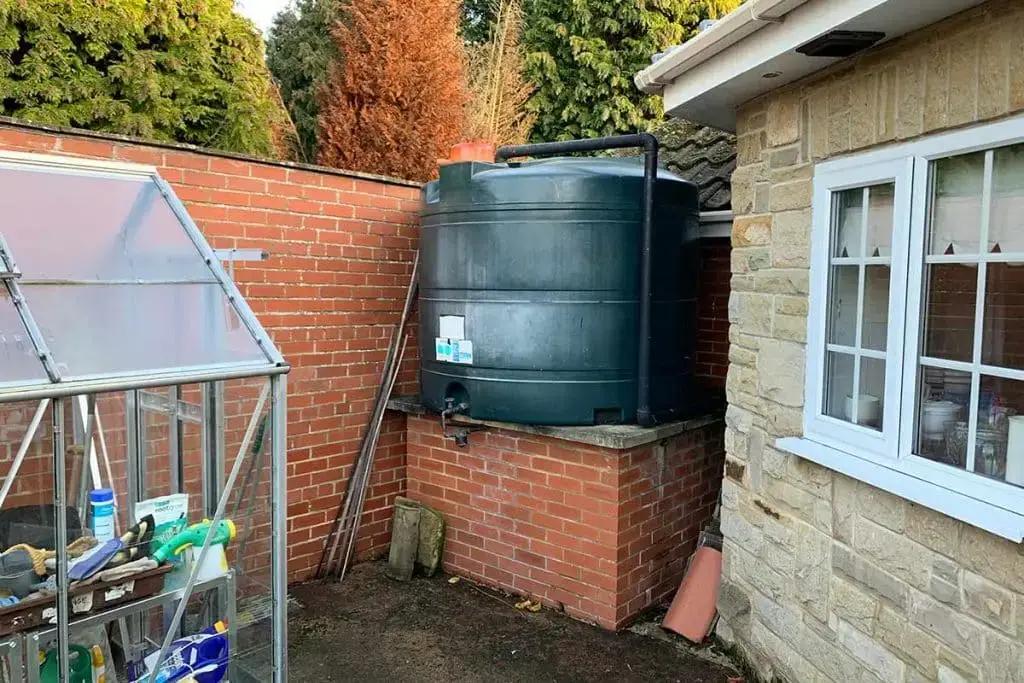
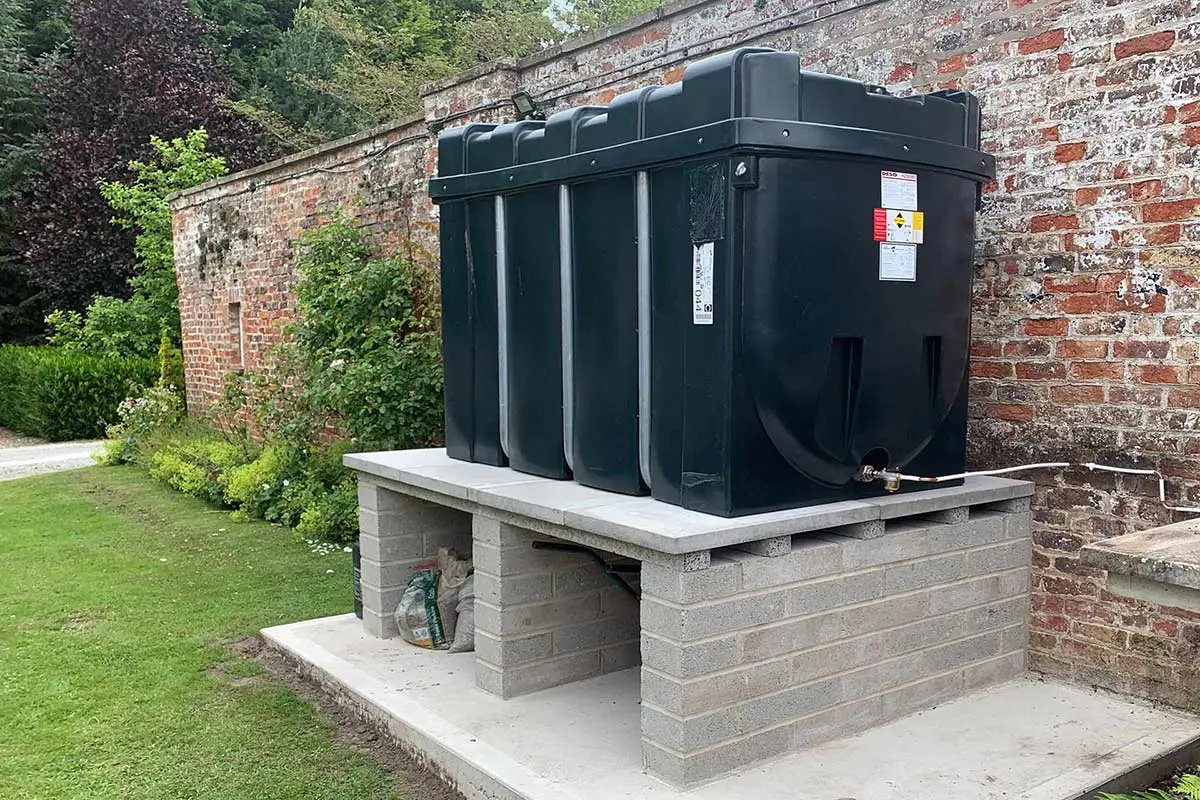
Why Might a Domestic Oil Tank Need Cleaning?
Water, sediment and sludge can gradually collect at the bottom of a domestic heating oil tank. Because the tank outlet is normally positioned near the lower part of the tank, contamination may eventually reach the fuel line and contribute to:
- repeatedly blocked filters
- water entering the fuel supply
- burner or boiler problems
- unreliable heating
- visible sediment or sludge
- microbial contamination
- poor-quality heating oil
- corrosion or damage inside a steel tank
Tank cleaning is not automatically required at fixed intervals. Instead, the need for cleaning should be based on the condition of the tank, the fuel and the heating system.
Signs Your Oil Tank May Need Attention
Possible signs of water or contamination include:
- a filter that becomes blocked repeatedly
- water found during servicing
- visible sludge or sediment
- irregular boiler operation
- unexplained heating interruptions
- contamination identified in a fuel sample
- water visible through a suitable tank gauge or inspection point
- problems following a fuel delivery
These symptoms do not always mean that the tank needs a complete clean. An initial assessment can help determine whether water removal, full cleaning or another form of investigation is appropriate.
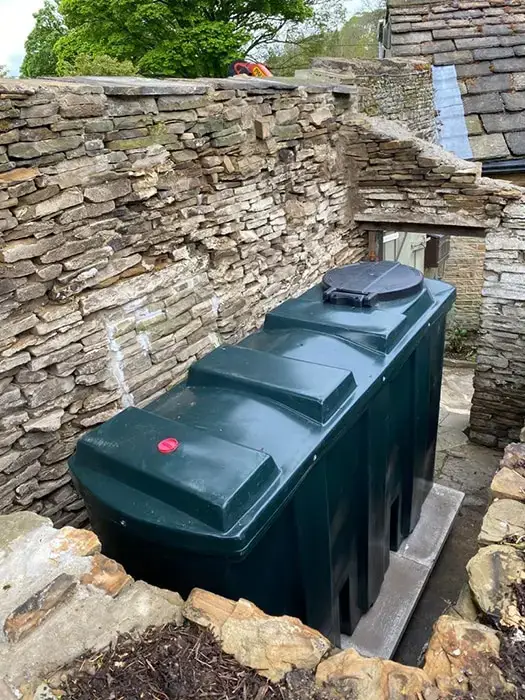
How Do Domestic Oil Tanks Become Contaminated?
Water can enter or form inside a tank through condensation, damaged fittings, poorly sealed inspection points or other defects.
Over time, water settles below the heating oil. At the boundary between the water and fuel, microbial growth may develop and create a sticky residue or sludge.
Sediment from the tank and fuel may also collect at the bottom. If this contamination reaches the outlet, it can be drawn into the filter and heating system.
Regular inspection can help identify damage, leakage and other problems before they become more serious. Homeowners can find general advice in the OFTEC home guide to domestic oil storage.
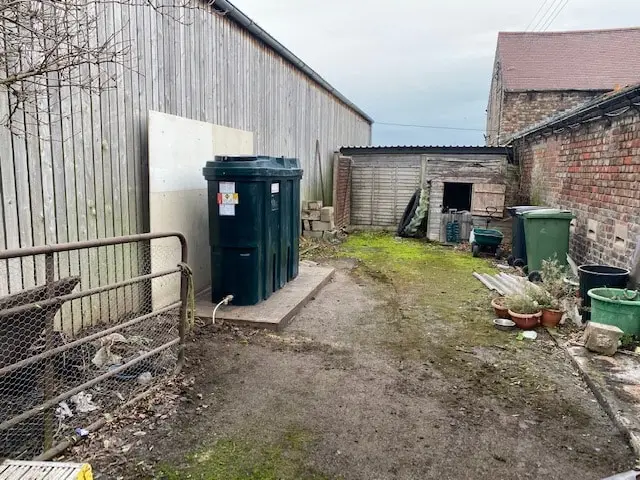
Our Domestic Oil Tank Cleaning Options
Water Removal
Where a relatively small amount of water or sediment has collected at the bottom of the tank, it may be possible to remove the contaminated lower layer without carrying out a complete internal clean.
This process is sometimes referred to as bottoming out.
Water removal may help where contamination has not spread throughout the tank or fuel. However, it may not resolve the problem if there is heavy sludge, microbial contamination or damage to the tank.
Full Domestic Oil Tank Cleaning
For a more thorough clean, the remaining oil is pumped into suitable temporary containers.
Water, sludge and contaminated material are then removed from the tank. Once the cleaning work is complete, suitable oil can be returned.
The process used will depend on the tank construction, the amount and condition of the oil, the level of contamination, access and whether fuel polishing is required.
Cleaning with Fuel Polishing
Where the remaining oil is contaminated, it may be passed through specialist filtration equipment before it is returned to the tank.
Fuel polishing can help remove water and suspended contamination from the usable fuel. However, the suitability of the oil for reuse must be assessed as part of the work.
You can read more about our commercial fuel polishing service and the principles involved.
Customer Testimonials
See what customers say about working with J W Hinchliffe Tanks. Read our Google reviews for recent feedback on our domestic tank services.
Our Domestic Oil Tank Cleaning Process
Initial Assessment
First, we assess the tank, its contents and the reported problem.
We consider:
• The tank material and capacity
• The approximate amount of oil remaining
• Evidence of water, sludge or contamination
• The position of the tank outlet
• Access to the tank
• The condition of the tank and fittings
• Any recent heating-system problems
This helps determine the most suitable cleaning approach.
Transferring the Oil
Where a full clean is required, the recoverable oil is pumped into suitable temporary containers.
Fuel from the bottom of the tank may contain water or sludge and will normally be kept separate from cleaner oil.
Removing Water and Sludge
Accumulated water, sludge and contaminated residues are removed from the tank.
The extent of the work will depend on the tank design and the type of contamination present.
Cleaning the Tank
The inside of the tank is cleaned using a method appropriate to the tank, its condition and the contamination involved.
The aim is to remove residues that could otherwise remain in the tank and affect the returned fuel or heating system.
Assessing and Returning the Oil
Suitable oil can be returned to the tank once the cleaning work has been completed.
Where the fuel requires additional treatment, filtration or fuel polishing may be recommended before it is returned.
Removing Waste
Removed water, sludge and other waste materials are taken away through appropriate waste routes.
Relevant documentation is provided for the waste removed from the property.
When Is the Best Time to Clean an Oil Tank?
Domestic oil tank cleaning can be carried out at different times of year.
However, it may be easier when:
- the oil level is relatively low
- heating demand is lower
- the tank and access route are clearly accessible
- preparatory work can be planned in advance
This often makes spring or summer convenient, but cleaning is not restricted to warmer months.
If your heating system is already experiencing problems, it may be better to arrange an assessment promptly rather than wait for a particular season.
Can Cleaning Prevent Heating Problems?
Removing water, sludge and contamination may reduce the risk of material being drawn into the fuel line and blocking filters.
However, cleaning cannot guarantee that every heating-system problem will be resolved. Similar symptoms may also be caused by:
- faults in the boiler or burner
- damaged or restricted pipework
- problems with valves or filters
- poor-quality or unsuitable fuel
- water continuing to enter the tank
- deterioration or damage to the tank itself
Where appropriate, further investigation by a heating engineer or other specialist may be needed.
Cleaning or Replacing the Oil Tank?
Cleaning may be suitable where the tank remains structurally sound but contains water, sludge or contaminated fuel.
However, replacement may be a better option if the tank is:
- cracked, split or leaking
- badly corroded
- distorted or unstable
- damaged around its fittings
- positioned on an unsuitable base
- no longer suitable for continued use
- repeatedly allowing water or contamination to enter
If the tank is no longer serviceable, see our domestic oil tank replacement service.
If you no longer use oil heating, our domestic oil tank removal service may be more appropriate.
Domestic Oil Tank Care and Environmental Responsibility
Heating oil should be stored and managed carefully because leaks and spills can contaminate soil, groundwater, drains and nearby watercourses.
Homeowners should check their tank regularly for:
- cracks, corrosion or distortion
- oil staining or unusual smells
- damaged fittings or valves
- deterioration around the base
- signs of leakage
- changes in the amount of oil being used
For further advice, see GOV.UK guidance on storing oil at home.
Cleaning should not be used to disguise or postpone action where a tank is leaking or structurally unsound. In those circumstances, replacement or removal may be required.
What We Need to Provide a Quotation
To prepare a domestic oil tank cleaning quotation, it is helpful if you can provide:
- the property postcode
- the approximate tank capacity
- whether the tank is plastic or steel
- the approximate amount of oil remaining
- the tank’s location
- details of the reported problem
- information about blocked filters, water or sludge
- details of access to the tank
- photographs of the tank and surrounding area
- photographs of the route from the road to the tank
- any information provided by your heating engineer
Even if you do not have all these details, please contact us. Photographs and a brief description of the problem are often a useful starting point.
Why Choose J W Hinchliffe Tanks?
J W Hinchliffe Tanks has more than 50 years’ experience in fuel and oil tank services.
Our domestic oil tank cleaning service offers:
An experienced in-house team
Water and sludge removal
Full domestic tank cleaning
Fuel transfer and temporary storage
Fuel polishing where appropriate
Careful separation of reusable and contaminated oil
Appropriate waste handling
Practical advice if replacement is needed
Domestic coverage across Yorkshire
Clear quotations and guidance
You can view examples of our work in our tank services case studies.
Arrange Domestic Oil Tank Cleaning in Yorkshire
Tell us what problem you are experiencing, approximately how much oil is in the tank and whether water or sludge has already been identified.
Photographs of the tank, its fittings and the access route will help us assess the work.
Contact J W Hinchliffe Tanks for advice and a quotation for domestic oil tank cleaning in Yorkshire.
Domestic Oil Tank Cleaning FAQs
Repeatedly blocked filters, water in the fuel, visible sludge or heating interruptions may indicate contamination. However, similar symptoms can have other causes, so an assessment is advisable before deciding on a full clean.
There is no single cleaning interval suitable for every tank. Cleaning should be based on the tank’s condition, evidence of water or sludge and any problems affecting the heating system. The tank itself should be inspected regularly.
Recoverable oil is normally pumped into suitable temporary containers. Cleaner oil is kept separate from water, sludge and heavily contaminated fuel. Suitable oil may then be returned after cleaning.
In some cases, yes. If the contamination is limited to the lower part of the tank, water and sediment may be removed without carrying out a full internal clean. The most suitable option depends on the condition of the tank and fuel.
Some contaminated oil can be treated through filtration or fuel polishing. However, whether it can be reused depends on the type and extent of contamination.
We do not recommend it. Heating oil, sludge and contaminated water must be handled safely, and entering or cutting a tank can create additional risks. Professional equipment and suitable waste arrangements are required.
Yes. However, heating may need to be disconnected temporarily while the oil is transferred and the tank is cleaned. Where possible, the work will be planned to minimise disruption.
Cleaning may be appropriate if the tank is structurally sound and the main problem is water, sludge or contaminated fuel. Replacement is likely to be more suitable if the tank is cracked, leaking, badly corroded, distorted or otherwise unsafe.
Our Accreditations