Project Overview
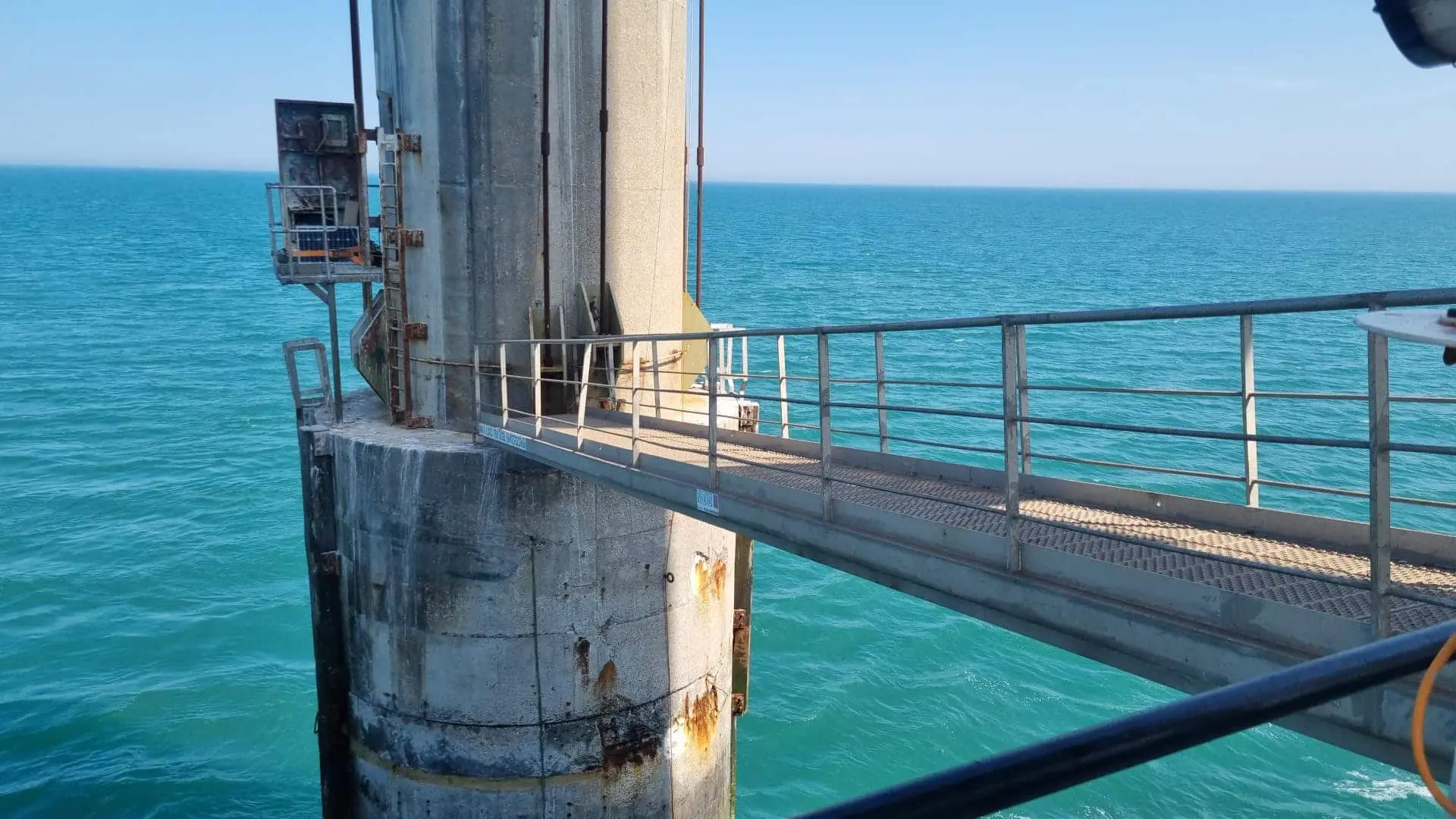
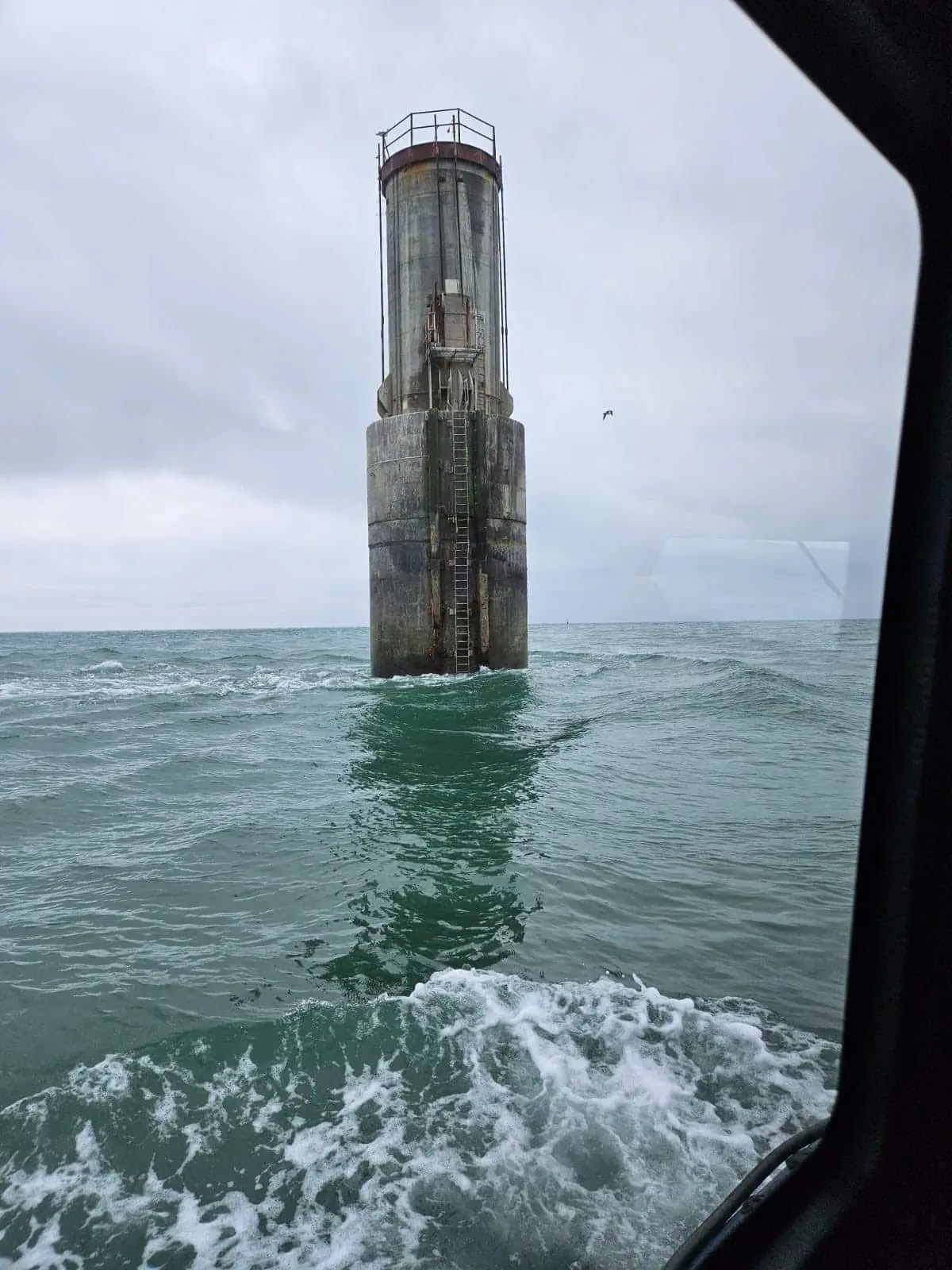
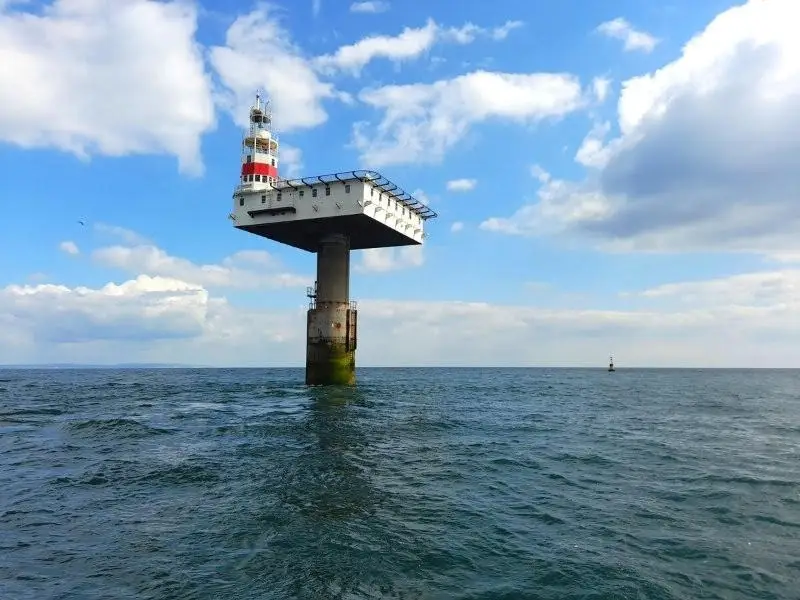
In August 2024, J W Hinchliffe Tanks completed a specialist fuel tank decommissioning project at Royal Sovereign Lighthouse, several kilometres off the Eastbourne coast.
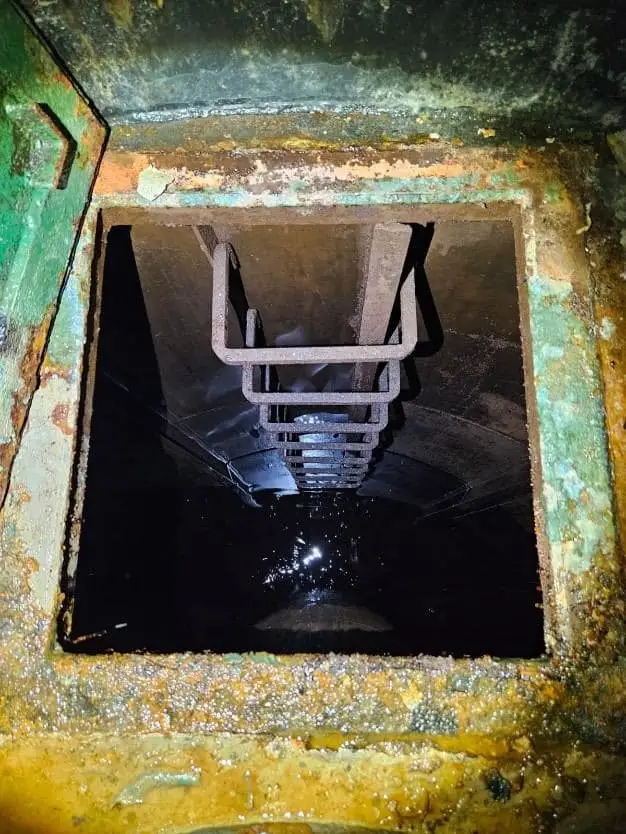
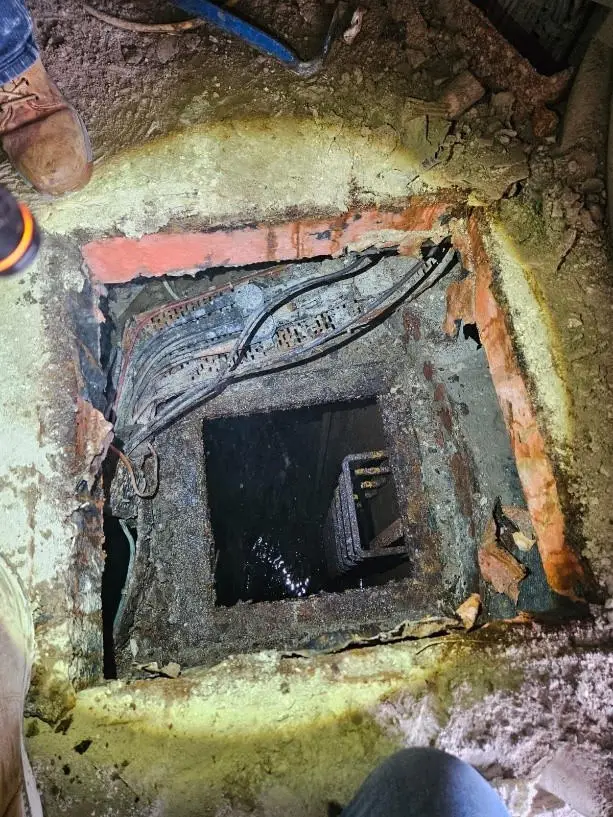
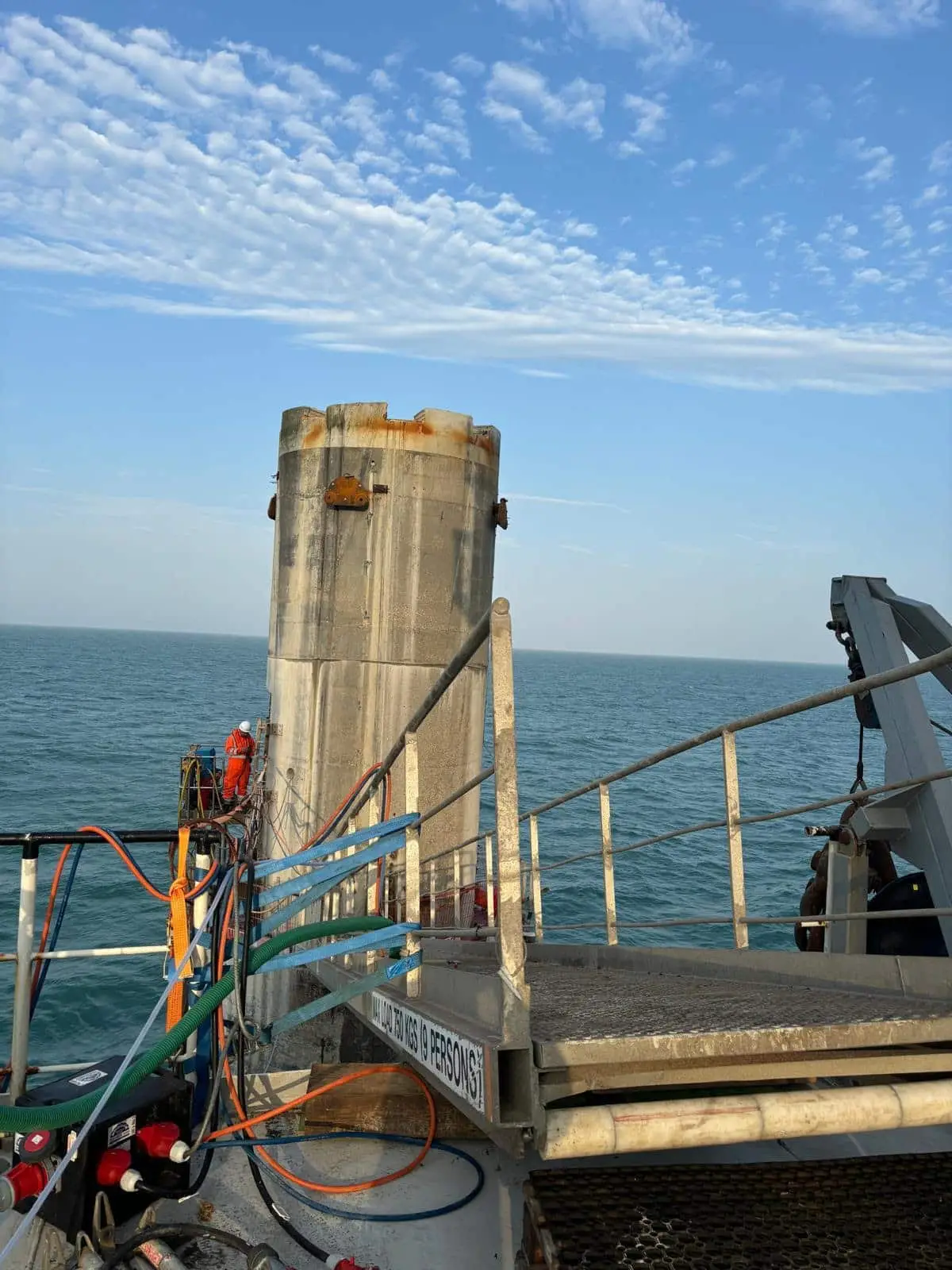
The lighthouse contained two 10,000-litre doughnut-shaped steel fuel tanks within its central shaft. These tanks had previously supplied fuel to the lighthouse generators and heating system.
Robore Ltd, the principal demolition contractor, appointed JWH to clean and degas the tanks so that the lighthouse demolition could continue safely.
The offshore location created significant logistical, environmental and confined-space challenges. Therefore, careful planning was essential before the team could begin work.
Project at a Glance
Client: Robore Ltd
Location: Royal Sovereign Lighthouse, off Eastbourne
Project date: August 2024
Tanks: Two 10,000-litre steel fuel tanks
Tank design: Doughnut-shaped tanks positioned within the lighthouse shaft
Primary work: Fuel recovery, tank cleaning, degassing and preparation for removal
Key challenges: Offshore access, confined-space working, environmental protection and transporting equipment by sea
Services provided:
- initial offshore site survey
- project planning and safe system of work
- fuel recovery
- tank cleaning
- confined-space entry
- environmental containment
- pipework drainage and removal
- LEL testing
- gas-free certification
- waste recovery and disposal
- project documentation and handover
The Challenge
Royal Sovereign Lighthouse stood approximately 33 metres above the waterline and had been decommissioned before the demolition project began.
The two fuel tanks sat one above the other within the central lighthouse shaft. At the start of the project, the exact size, condition and remaining contents of the tanks were not fully known.
Access presented another major challenge. The lighthouse could only be reached by sea, while the tanks themselves required confined-space working within the structure.
In addition, residual fuel oil presented an environmental risk because of the lighthouse’s offshore location.
As a result, JWH needed to develop a method that protected both the workforce and the surrounding marine environment.
Offshore Site Survey and Planning
JWH Project Manager Jack Hartley first travelled to the lighthouse by rigid inflatable boat to carry out a detailed survey.
The inspection confirmed that the lighthouse contained two 10,000-litre tanks with residual fuel oil remaining inside. It also allowed JWH to assess access, equipment requirements and the measures needed to prepare the tanks safely for demolition.
Following the survey, JWH prepared the scope of works, health and safety documentation and a project-specific safe system of work.
The team could then plan the offshore mobilisation around the physical restrictions of the site.
For more background on the structure, see Royal Sovereign Lighthouse.
Mobilising to the Lighthouse
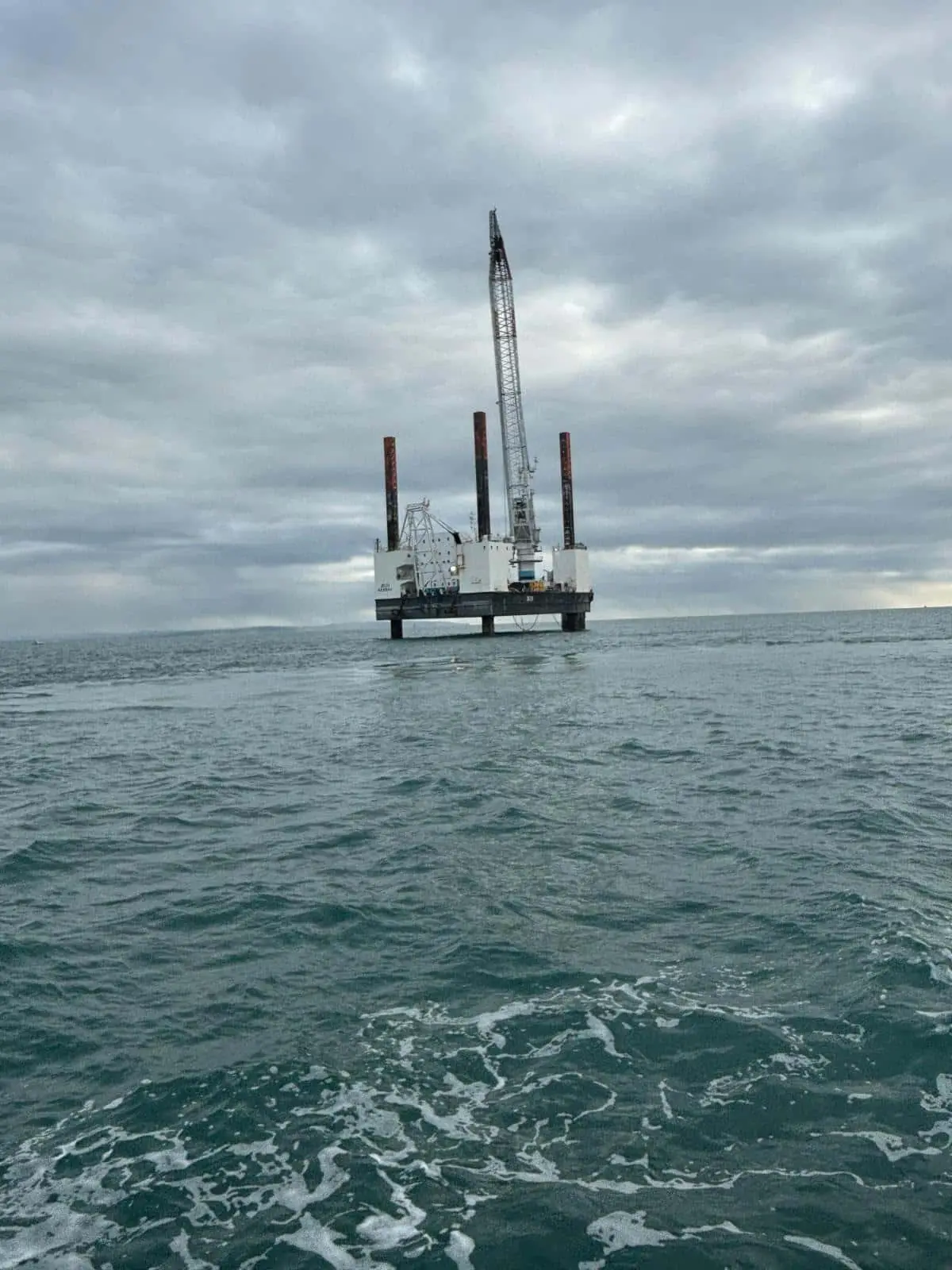
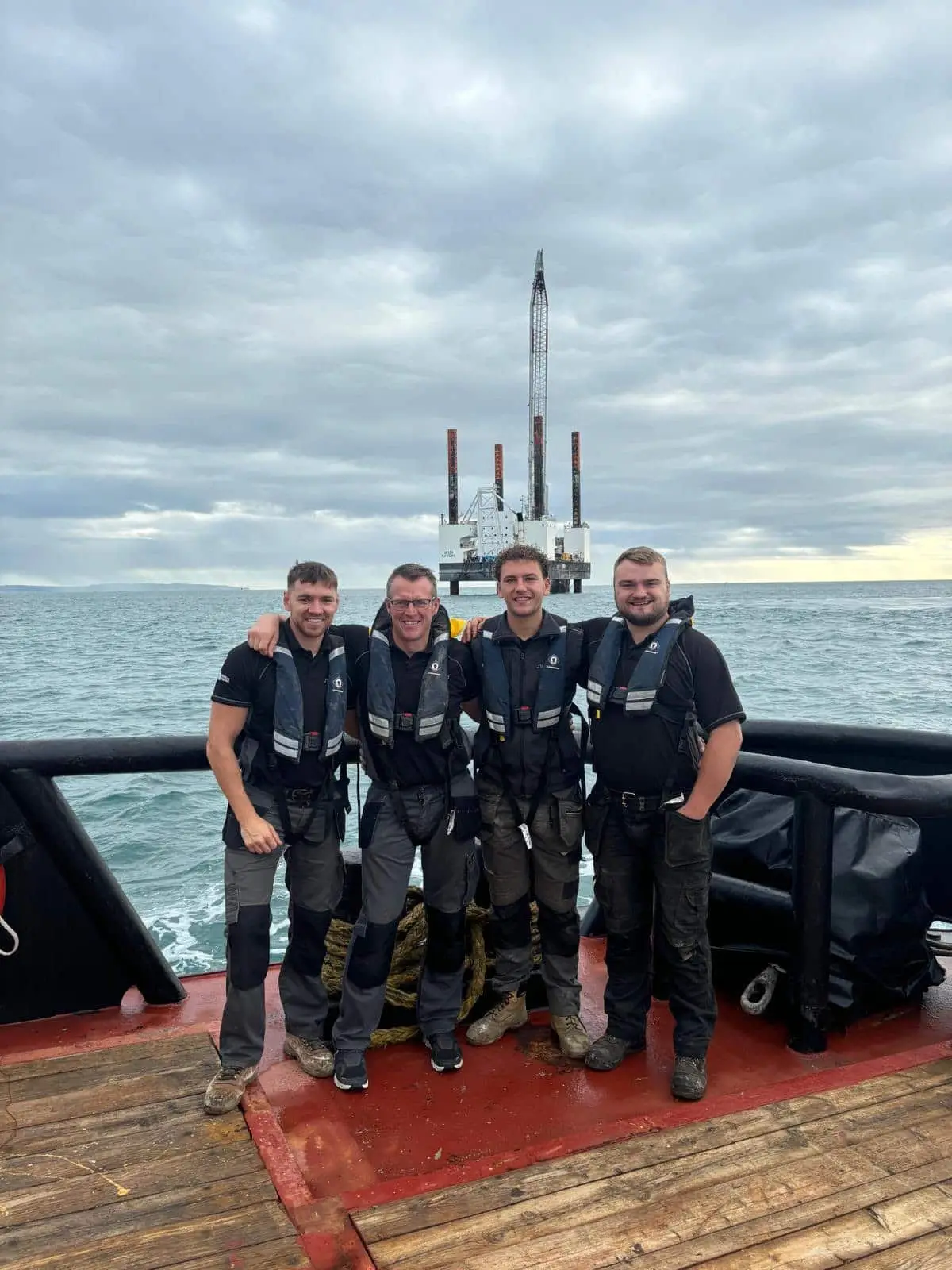
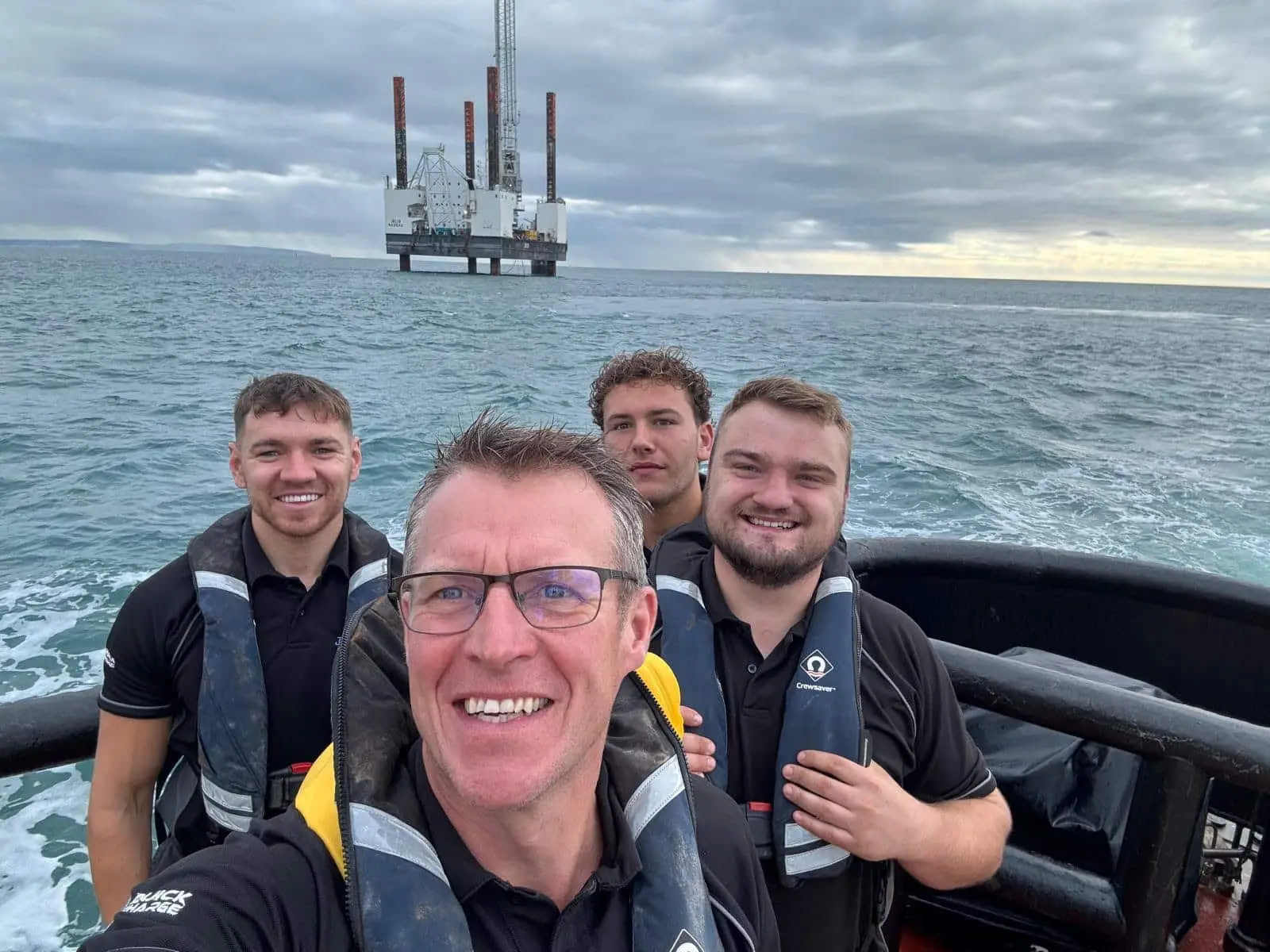
JWH used a mobile work barge to transport the team and specialist equipment to the lighthouse.
Once on site, the barge extended its legs to the seabed to provide a stable working platform. It also provided accommodation for the team during the project.
This arrangement allowed JWH to keep the required equipment close to the lighthouse throughout the works.
Because conventional land-based access was impossible, all equipment and recovered waste had to be carefully managed around the offshore working environment.
Recovering the Remaining Fuel
Before cleaning could begin, JWH pumped the remaining fuel oil from both 10,000-litre tanks.
Environmental protection was particularly important because any loss of fuel could have affected the surrounding marine environment.
Therefore, the team installed both secondary and tertiary containment around the fuel-transfer equipment.
Additional ducting surrounded the transfer pipework and acted as another level of containment.
Once the tanks were empty, JWH also drained the associated pipework to remove residual fuel.
Confined-Space Tank Cleaning
The location of the tanks within the lighthouse shaft meant that the cleaning work required high-risk confined-space entry procedures.
JWH’s confined-space and rescue-trained engineers established a controlled system for entry, exit and emergency rescue before anyone entered the tanks.
The team then cleaned both vessels and removed the remaining sludge, silt and washings.
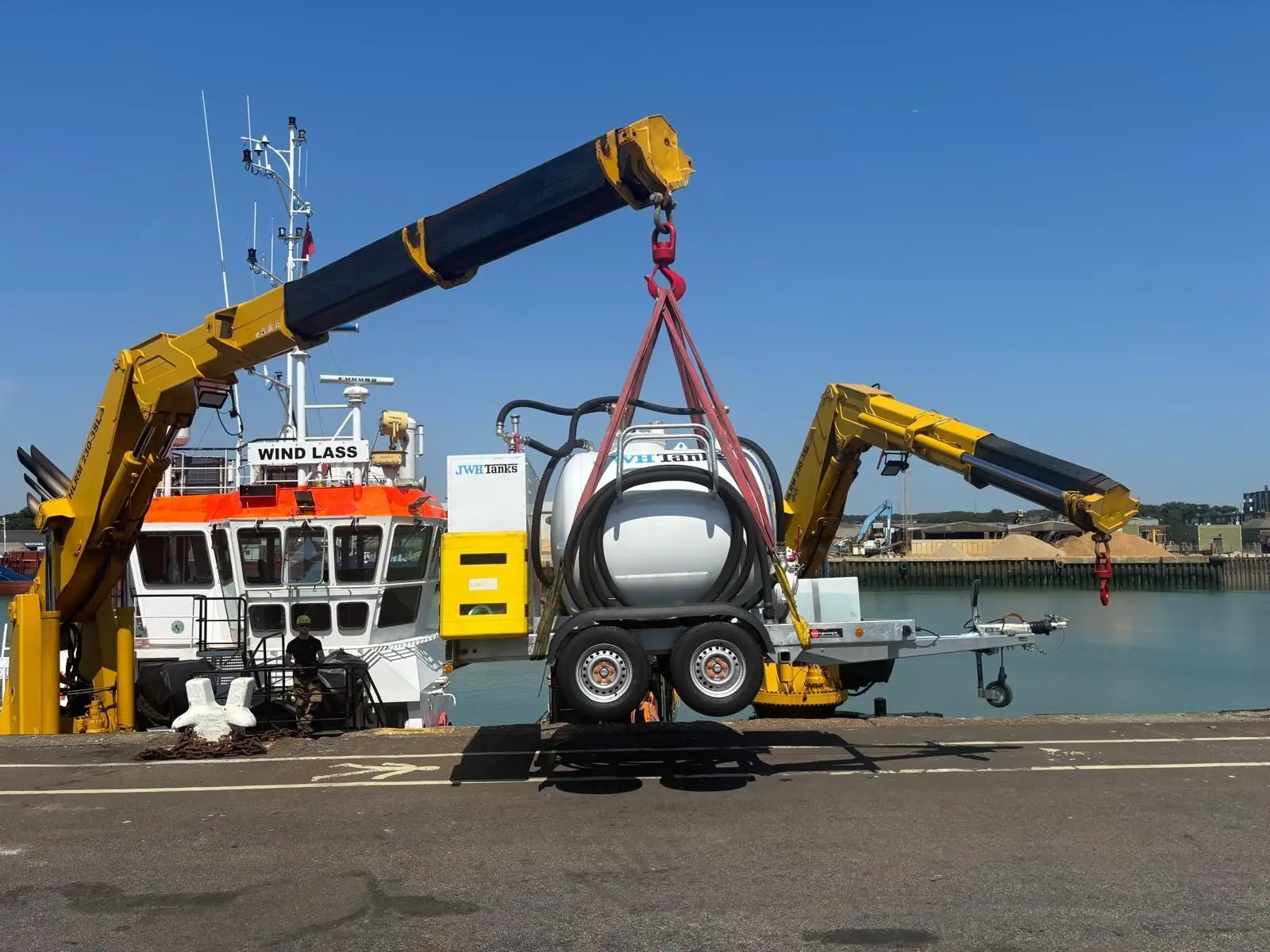
JWH transferred this waste into a specialist trailer-mounted vacuum unit positioned approximately 60 metres away on the work barge.
You can read more about JWH’s commercial oil and fuel tank cleaning services.
The Health and Safety Executive also provides guidance on working safely in confined spaces.
Preparing the Tanks for Removal
Once cleaning was complete, JWH tested the atmosphere within the tanks.
The team carried out lower explosive limit (LEL) testing to confirm that flammable vapour levels had been reduced to an acceptable condition for the next stage of the demolition works.
JWH then issued the required gas-free certification.
This allowed the principal contractor to continue with the lighthouse demolition knowing that the fuel tanks had been cleaned and prepared for subsequent removal.
You can read more about JWH’s commercial oil and fuel tank removal services.
Environmental Protection and Waste Management
Environmental controls formed an important part of the project from the outset.
During fuel recovery and tank cleaning, JWH used multiple containment measures to reduce the risk of fuel or contaminated liquids escaping into the surrounding environment.
The team also recovered all sludge, silt, fuel residues and cleaning washings generated during the works.
After leaving the offshore site, JWH transported the waste back to its waste transfer station in Leeds for appropriate disposal.
The team also completed the associated project paperwork and job reports through JWH’s job management system.
The Result
JWH successfully cleaned, degassed and made safe both 10,000-litre fuel tanks within the Royal Sovereign Lighthouse.
The completed project included:
- offshore site surveying and planning
- mobilisation by work barge
- recovery of residual fuel oil
- secondary and tertiary environmental containment
- drainage of associated pipework
- high-risk confined-space entry
- cleaning of both fuel tanks
- removal of sludge, silt and washings
- LEL testing
- gas-free certification
- compliant waste handling and disposal
- project documentation and handover
As a result, the demolition contractor could continue with the removal of the lighthouse without the residual fuel tanks holding up the programme.
The project demonstrates JWH’s ability to carry out fuel tank cleaning and decommissioning in locations where access, environmental protection and working conditions require specialist planning.
Discuss a Fuel Tank Decommissioning Project
J W Hinchliffe Tanks provides commercial fuel tank cleaning, decommissioning and removal services throughout the UK.
Our team can support projects involving confined spaces, restricted access, remote locations, residual fuel and complex environmental requirements.
You can also view our other fuel and oil tank case studies